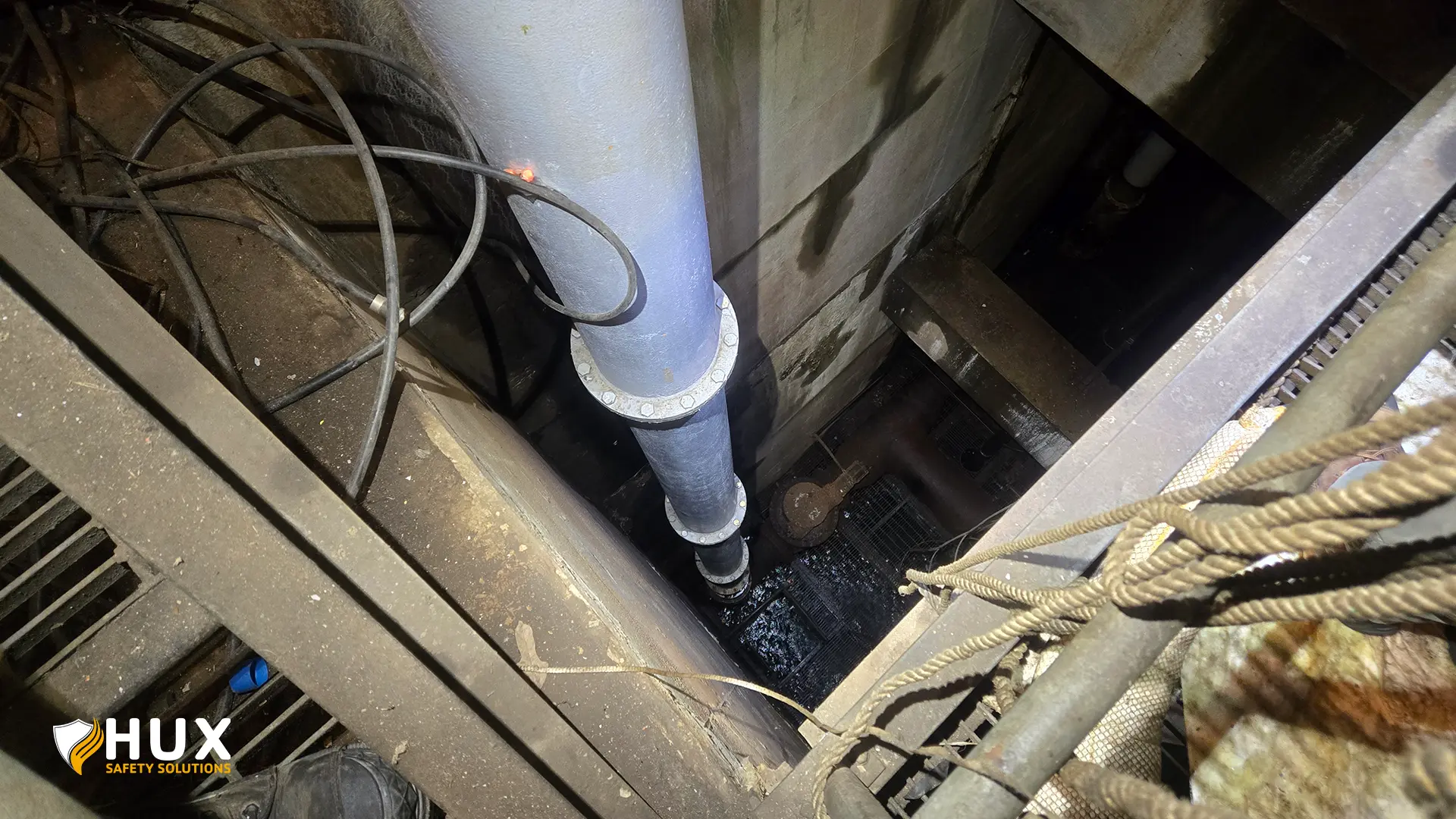
There’s a phrase I first heard in my twenties that has followed me through every chapter of my rescue and safety career:

There’s a phrase I first heard in my twenties that has followed me through every chapter of my rescue and safety career:

In industrial safety, few roles are more misunderstood—or more casually assigned—than the Confined Space Entry Supervisor. Too often, the position is treated like a signature on a form instead of the most technically accountable role in the entire confined space process. Just recently, a GC’s EHS manager handed me a permit and said, “I can be the entry supervisor, or you can.” That shrug is the problem. The entry supervisor isn’t a clerical role. It’s a competency role—and lives depend on it.
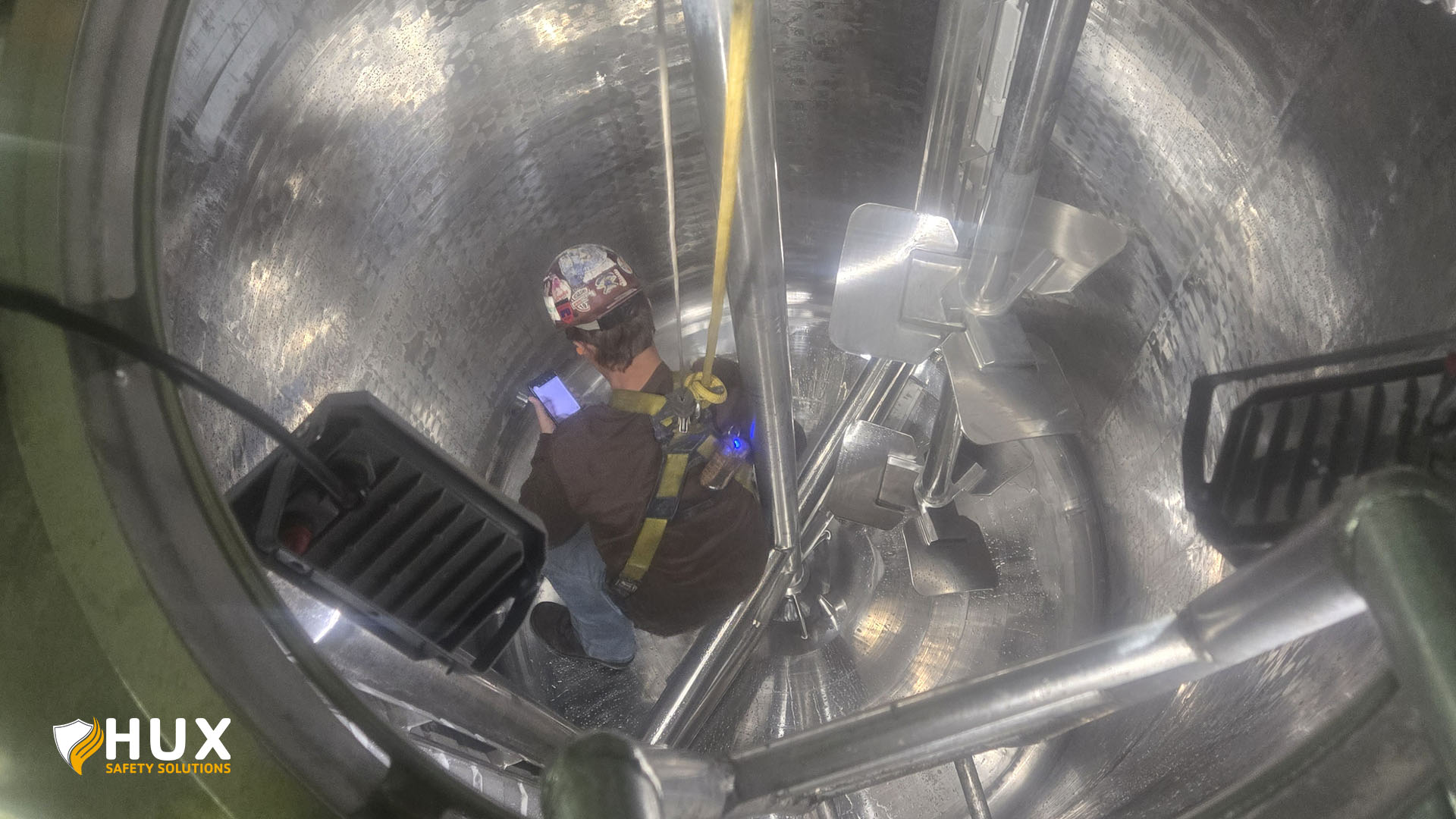
Most people think LOTO is a maintenance task, a supervisor’s signature, or a rescue team formality. But inside a confined space, assumptions are dangerous. Locks and tags don’t protect workers — verification does. This blog is written from the rescue team’s perspective, but the message is for every worker involved in a confined space entry: entrants, attendants, supervisors, and standby teams. Because when something goes wrong, it’s not the paperwork that saves lives — it’s the discipline of the people doing the work.
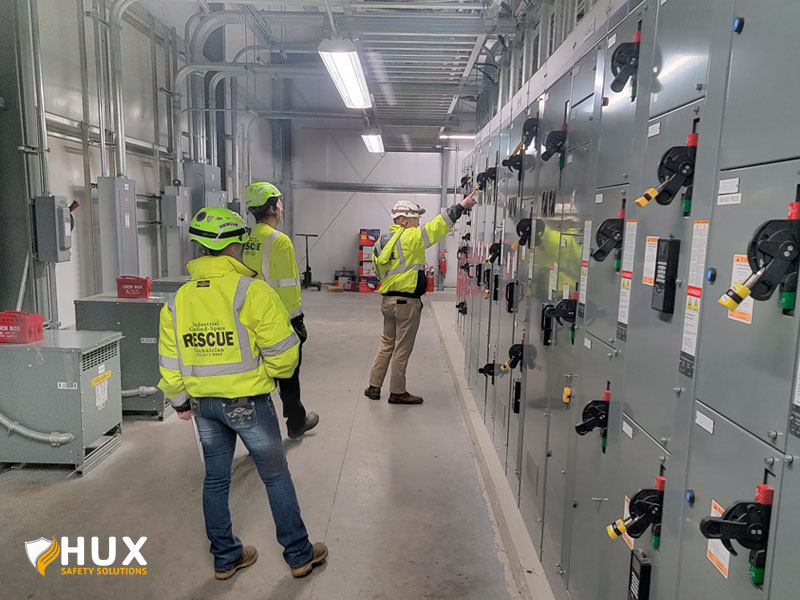
Every job starts the exact same way. Consistency saves lives.
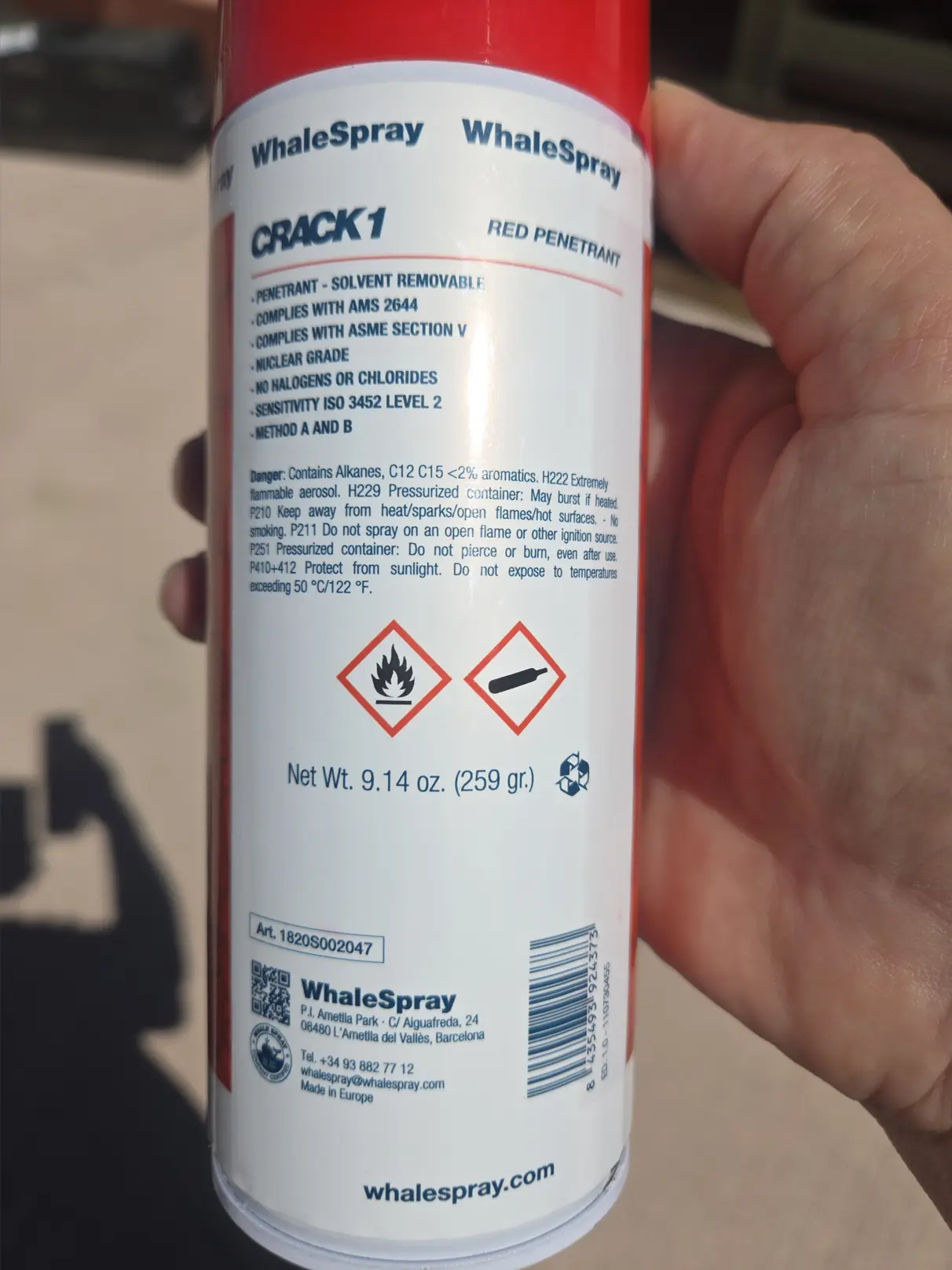
Last Saturday, our team served as the rescue and attendant crew for a confined space job permitted for welding only. Atmospheric monitoring was set up using a 4-gas meter calibrated to pentane for LEL, and early readings appeared safe.